
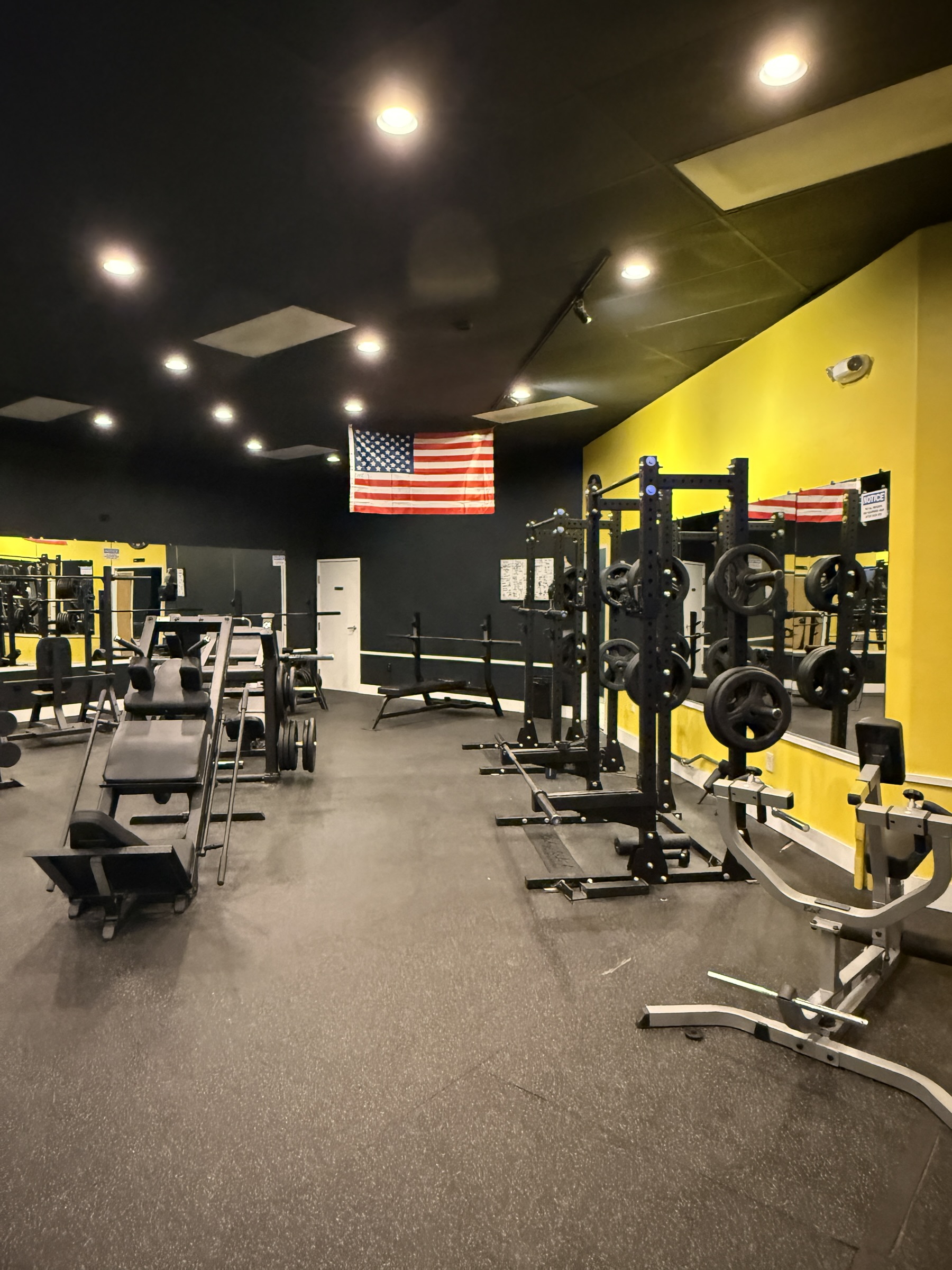
The environment changed every week. The standard didn’t.
On June 20, somewhere in the middle of a 190 lb squat, something shifted in my lower back that didn’t feel right.
The immediate feeling was fear. Then dread. I didn’t know what it was. A pop, something mechanical. We finished the session but pulled the set. In the minutes after, I started doing the mental math that anyone on a long streak does: how long will this take me out?
The answer was not as long as I feared. But the more important answer came from what happened next.
June had three distinct chapters, and each one required a different version of the plan.
The first was Flagstaff. A familiar work trip, but altitude is something you never fully negotiate with. Volume dropped by design to account for what elevation does to recovery. The routines you build at home don’t transfer automatically. You recalibrate session by session until the rhythm returns.
The second was Cabo. Vacation, hotel gym, zero days off. The equipment was different. The split got modified. But the work happened every single day. The work looks different in a hotel gym. The standard doesn’t.
The third was the back event. An immediate pivot to mobility work and physical therapy protocol. A clear read of what the next ten days needed to look like. What surprised me was what the data showed afterward. Recovery scores jumped from a pre-injury average of 52.1% to 75.5% in the final ten days of the month. The strategic restoration outperformed passive rest in every measurable way.
Neurogrip push up
TRX Deadbug
Barbell RDL
Barbell Back Reverse Lunge
Romanian Split squat
By the end of the month, the numbers told a story I hadn’t expected. Forty sessions. 254,914 lbs moved across 23 strength sessions. Roughly 127 tons. Average recovery finished at 61%, up from May’s 42.9%.
All of that happened across three environments, through an injury, and with a bio age that ticked from 39.2 to 40.1 by month’s end.
That number stung a little. After May’s baseline, watching it move in the wrong direction brought real frustration. But the profile still sits seven years younger than my chronological age. The 0.9 year increase was the price of travel stress and a necessary reduction in intensity after the injury. Frustration gave way to something more useful. Gratitude that the signal came when it did. Commitment to rebuilding the floor before reaching for the ceiling.
The engine held. Three environments, three versions of the plan, one result.
Still 80% on consistency.
Leave a Reply